Submit Church News
Conference Office News
Church News & Events
Faith In Action
SWC Calendar
Conference News & Events
Share your news!
Pending review, we’ll publish it on the website and our weekly newsletter, In the Loop.

Cyber threats can put sensitive information and ministry operations at serious risk. Explore these resources from our United Church of Christ Financial Ministries partners for practical guidance on recognizing threats and protecting your church or organization.
Cybersecurity Is Modern Stewardship
Security Awareness: Phishing and the Art of Deception
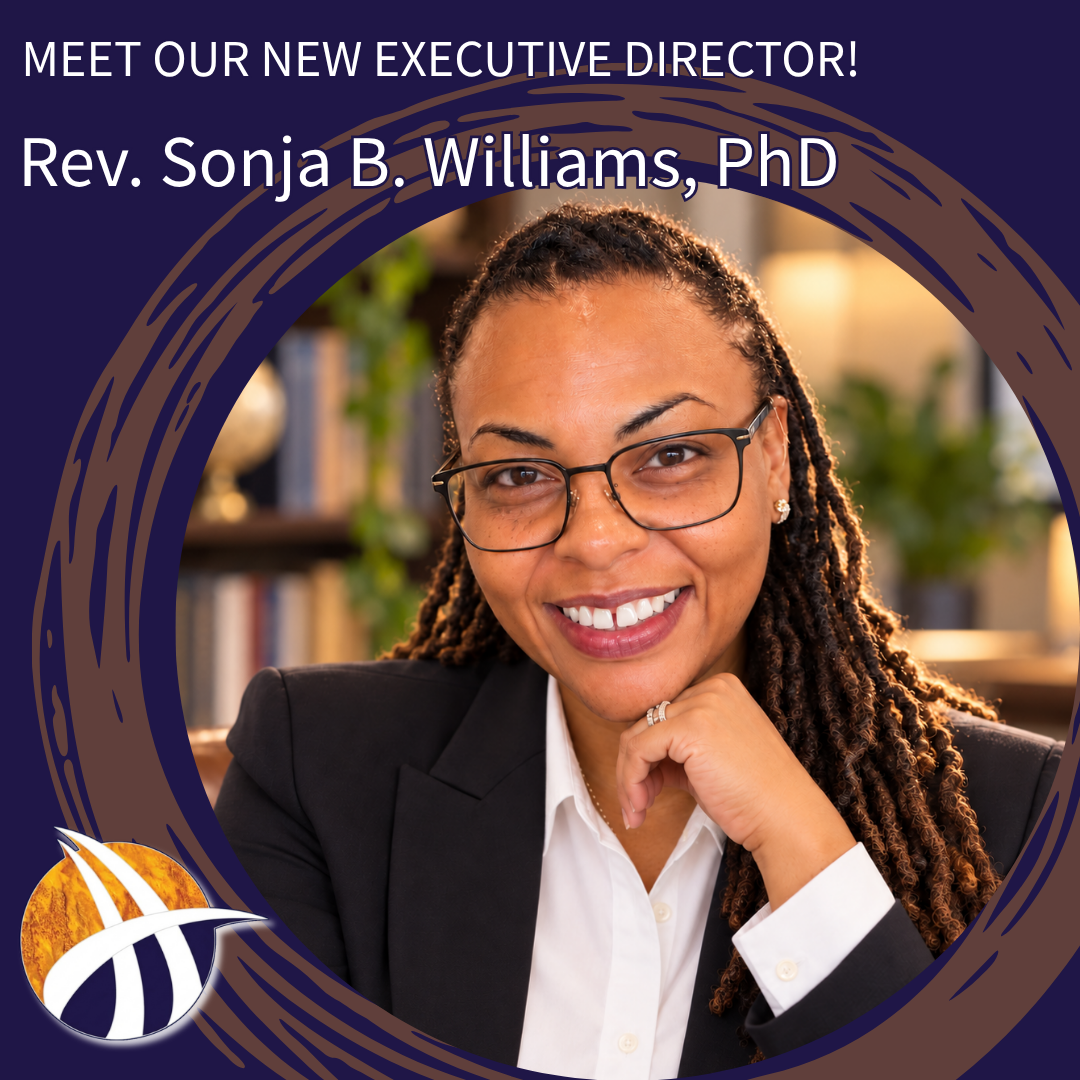
The Executive Director Search Committee and the PATHWAYS Board proudly announce their new Executive Director, Rev. Sonja B. Williams, PhD. Dr. Williams will begin her role on October 12, 2026.
Rev. Sonja B. Williams, PhD, is a practical theologian, theological educator, ordained minister in the United Church of Christ, and executive leader whose work centers theological education, leadership, community transformation, and the formation of people called to serve in a changing world.
Click through to learn more.
Applications for Our 2027 Cohorts Are Now Live
We are excited to announce that applications for UCC National Ministries Love of Children’s 2027 cohorts are now live! Wait, you said cohorts, not cohort? That’s right! We have multiple cohorts available for next year! We will have the traditional hybrid cohort that includes in-person gatherings, and WE WILL ALSO HAVE four virtual cohorts with specific focuses. Here are the exciting details:
These are all 12-month cohort groups designed to provide educational experiences, nurture a supportive community of practice, and create opportunities to apply shared learning directly to your ministry setting.
Our traditional hybrid cohort group will have two in-person gatherings, meet online twice monthly, and receive grants for establishing a prayground or family-inclusive space in their congregation’s sanctuaries. More details are available in the application form for this group.
We will also have FOUR all-virtual cohort groups that meet monthly on Zoom.
Click through for details!
During the SWC Faith Formation Network meeting on September 28, Loree Adams from COM B made a presentation on the creative ideas that funded through the CRR grants over the past 3 years with a focus on Families, Children and Youth Ministry.
Associate Conference Minister Dr. Gloria shares this presentation with you and prays that it inspires your creativity as you design your church's ministries.
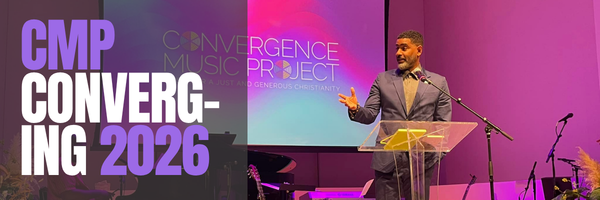
Hear Cole Arthur Riley, Jim Wallis, Otis Moss III and more and you don’t even need to leave your living room. With a virtual ticket to CMP Converging: Sing Through It! you’ll be able to engage with others in the chat, ask questions after keynote addresses, and access the recordings when it’s all over!
You’ll also gain access to great workshops:
“Hold My Hope” where Ana Hernandez will take you through her new collection of short songs for worship, meditation, and prayer
“Polyrhythmic Worship” where Cynthia Wilson discusses intentionally using different forms and styles of music to encounter Jesus in a different way
“Singing the Psalms in the 21st Century” where Psalm scholar and songwriter Richard Bruxvoort Colligan will awaken your awareness of the psalms in new ways
“Off the Cuff with Otis Moss” where you’ll explore a theology of liberation in a conversation with Rev. Dr. Moss.
Join online October 7-10. Grab your virtual ticket today!
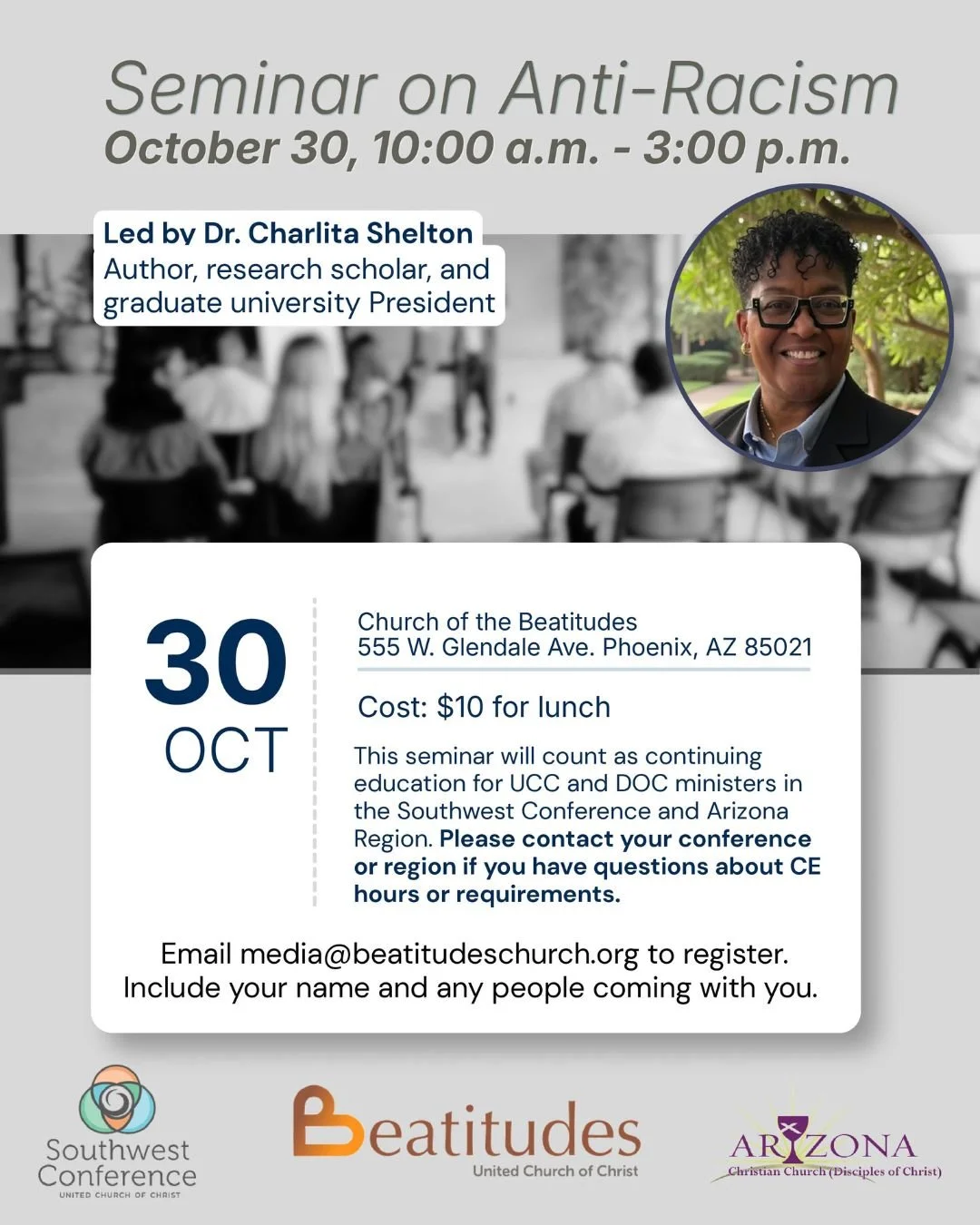
Hosted by Church of the Beatitudes, Phoenix
Southwest Conference clergy and lay leaders are warmly invited to a Seminar on Anti-Racism led by Dr. Charlita Shelton, author, research scholar, and graduate university president.
When: Friday, October 30, 10:00am to 3:00pm
Where: Church of the Beatitudes, 555 W. Glendale Ave., Phoenix, AZ
Cost: $10 for lunch
Register: Email your name (and the names of anyone attending with you) to media@beatitudeschurch.org
A note on standing requirements: This seminar offers four (4) hours of continuing education and may be counted toward your annual CE. It does not fulfill the Southwest Conference anti-racism training requirement for standing, which is a six (6) hour training. Clergy who need to complete their anti-racism requirement should plan to attend an approved SWC training. Please contact the Conference office if you have questions about your standing requirements.
About the seminar
This seminar offers a thoughtful, practical framework for understanding diversity, equity, inclusion, and anti-racism in today's complex social and political climate. Participants will examine the forces driving politicized opposition to DEI, distinguish between effective and ineffective DEI practices, and explore how faith leaders can respond with clarity, courage, and integrity.
Drawing on the Shared Equity Leadership Model, the seminar emphasizes that advancing equity and confronting racism are collective responsibilities, not duties assigned only to designated diversity leaders or historically marginalized people. Participants will consider how to embed shared accountability in congregational leadership, decision-making, ministry, and community engagement.
Dr. Shelton will also share from her own lived experience to illuminate intersectionality, helping participants understand how race, gender, sexual orientation, faith, and other aspects of identity shape experiences of belonging, exclusion, privilege, and discrimination.
Participants will grow in their ability to:
Understand the current political and cultural challenges surrounding DEI.
Distinguish meaningful, effective DEI work from approaches that may be performative, poorly designed, or counterproductive.
Recognize anti-racism and equity as shared leadership and ministry responsibilities.
Apply an intersectional perspective to pastoral care, congregational life, and community engagement.
Lead more courageous conversations about race, identity, privilege, inclusion, and belonging.
Translate DEI and anti-racism principles into informed, authentic, and sustainable action within their churches and communities.
If you're involved with Faith Formation at your church, you're invited to the next Faith Formation session to learn about the creative ideas for youth and family ministries that were presented and accepted for grants.
Join the meeting on September 28 at 10 am AZ / 11 am NM & El Paso.
Email Dr. Gloria or Wende for the Zoom link.
Have you done anti-racism training, or decentering whiteness training, or cultural humility training and still long for a place to practice identifying racism when you see it, and to get better at knowing what to say or do when it happens? Consider joining the Anti-Racism Circle of Practice—a group of clergy and lay people in the conference who are committed to getting better at addressing racism when we see it.
We meet the second Thursday of the month September through May each year at 5:30 AZ time by Zoom.
Click through for details and registration.
All clergy and MIDs with standing in the Southwest Conference are invited to the 2026 Southwest Conference Clergy Retreat, November 16–18 at the Redemptorist Renewal Center in Tucson.
Ministry cannot thrive without rest—not simply time away, but intentional time to reconnect with God, with one another, and with the quiet places within ourselves that we too often overlook. When we neglect that space, we risk running empty while trying to lead others toward fullness.
Rest is not indulgent. Rest is part of how we honor and sustain the sacred calling we have received.
We invite you to retreat for a time that is not about fixing, producing, performing, or checking things off a list, but simply BEING.
Come for prayer.
Come for laughter.
Come for quiet.
Come for meaningful connection with colleagues.
Come for renewal.
And yes, perhaps even come to sleep in without guilt.
Ask yourself: What might it look like to truly rest in the presence of God, among colleagues who understand the joys and demands of ministry?
Come and see.
PLEASE NOTE: THIS IS A CLERGY-ONLY RETREAT
Click through for the registration link.
At the 2026 Annual Meeting, a motion was made calling for a Conference staff position focused on children and youth ministry. We want our congregations to know that this important action has not been forgotten or set aside.
Now that the Conference staff has settled into the new office, the Executive Board is actively considering the scope of this position, how it would fit within the existing staff structure, and how it can be funded responsibly and sustainably given the Conference’s current financial realities.
Input from our local churches will remain an important part of this process. Although every question has not yet been answered, we are committed to communicating openly and providing additional updates as decisions and next steps become clearer.
Thank you for your patience, engagement, and continued commitment to strengthening children, youth, and campus ministries throughout the Southwest Conference.
SWC Executive Board