The Southwest Conference is beginning the development of a new pastoral practice called Covenant Tending.
Covenant Tending is intended to address what we have identified as the “missing middle” between situational support and a formal fitness review. There are times when communication has become strained, trust has been weakened, or relationships need intentional care, but the circumstances do not call for disciplinary action or another formal Conference process.
Click through to learn more.
Read MoreWednesday, August 5 | 12:30 – 2:00 pm AZ / 1:30 – 4:00 NM & El Paso
Ministers who serve local churches know the call agreement well, the document that spells out salary, benefits, and time away. Less familiar, but just as valuable, is the 3-Way Covenant. This separate document outlines the expectations that the Minister, the Local Church, and the Association or Conference hold for one another, helping to strengthen the relationships among all three.
Join Rev. Jeff Nelson for a basic overview of the 3-Way Covenant and a look at how it can benefit these important ministry relationships. Whether the term is new to you or you have heard it mentioned and wondered what it involves, this introduction offers a helpful starting point.
All are welcome. We hope you will join us.
https://ucc.zoom.us/meeting/register/YQMkX5SVSuy_n1-ITHa9iQ
Read MoreLent brings us back to what matters. When we receive ashes and hear, “Remember you are dust, and to dust you shall return,” we remember something essential. Titles do not define us. Positions do not elevate us. We all stand equally before God as servants of Christ.
This truth shapes how we live and govern together in the United Church of Christ, and especially here in the Southwest Conference.
We practice covenant, not hierarchy.
Jesus showed us this way. When the disciples questioned their importance and status, Jesus did not set up a chain of command. He taught them to serve, wash their feet, and walked beside them. He formed a community rooted in humility, trust, and shared responsibility. He showed leadership grows from service, not control.
We continue that same practice today.
Click through to read Dr. Derrick’s article.
Read MoreLast year, I began reaching out to clergy across the Southwest Conference with a request to submit their current call agreements and Three-Way or Four-Way Covenants. This was more than a routine administrative task or a simple check-in on record keeping. It was an invitation to revisit the very heart of our shared identity. In the United Church of Christ, we are a covenantal people. If we claim to live in such a relationship, we should be able to point to where that covenant is written and retained. Healthy governance requires this balance of relational clarity and accurate documentation, ensuring that our shared promises are both lived and recorded.
This identity shapes how we understand authorization, which is the formal recognition that an individual is called and prepared to serve. In our tradition, ministers are never authorized independently of the wider church. Their standing exists within a web of covenantal relationships. That recognition is expressed through a Three-Way Covenant linking the minister, the local church, and the Conference, or through a Four-Way Covenant that includes an employing institution or ecumenical partner. Through these documents, the wider church affirms that a specific ministry is not a solo endeavor, but one accountable to and supported by the whole Body.
Because we do not operate through hierarchical control, our accountability flows directly from these mutual commitments. It is helpful to distinguish between a call agreement, which addresses the practical terms of employment and compensation, and a covenant, which names the ecclesial bond.
Read MoreIn the United Church of Christ, we do not organize ourselves around control. We organize ourselves around a covenant. That word can sound formal or abstract, but covenant is deeply practical. It shapes how we relate to one another as local churches, authorized ministers, Committees on Ministry, and the Conference. Covenant is not a contract. It is not a hierarchy. It is a promise to walk together under the guidance of the Holy Spirit.
Throughout Scripture, the covenant is the way God chooses to be in relationship with God’s people. In Genesis, God binds God’s self to Abraham. In Exodus, God forms a covenant community at Sinai. In Jeremiah, God promises a new covenant written on the heart. Covenant is God’s way of saying, “I will be your God, and you will be my people.” It is relational, mutual, and enduring.
Our life together in the Southwest Conference reflects that same spirit.
Click through to read Dr. Derrick’s article.
Read MoreA few weeks, I emailed our clergy to remind them that the 2025 Annual Information Review will take place soon. In that message, I also noted the need for the Conference to have each minister’s three-way or four-way covenant on file. Preparing that reminder led me to pause and reflect on a simple but important question: What do we mean when we talk about covenant?
In the United Church of Christ, the word covenant sits at the heart of who we are. We use it often, sometimes so often that it can sound like familiar church language. Covenant is worth slowing down for, because it names the way we choose to live together as God’s people.
Click through to read Dr. Derrick’s full article.
Read Moreby Southwest Conference Minister Rev. Dr. Toni Hawkins
Though one may be overpowered, two can defend themselves. A cord of three strands is not quickly broken. — Ecclesiastes 4:12
Thank you for your prayers during my recent health challenge. That experience reminded me of how much we truly need one another. Covenant is not just a church word — it’s the sacred bond that carries us when life feels heavy and celebrates with us when joy overflows.
In the Southwest Conference, Covenant Relationships are the “C” in our CARES framework, and they are the foundation of everything we do. We are stronger when we walk side by side. We are braver when we hold each other accountable to love, justice, and mercy. And we are more resilient when we honor that no one is meant to walk this journey alone.
This month, I invite you to pause and ask yourself: Where am I being called to deepen my covenant — with God, with my congregation, or with the wider church? Sometimes covenant looks like showing up; sometimes it looks like speaking truth; sometimes it looks like simply sitting with one another in silence.
This is the work that makes us the Southwest Conference — a community bound not by convenience, but by covenant.
In my next message, we’ll explore how Accountability and Alignment help us walk in step with our values and keep us focused on the mission God has given us.
In Care and Covenant,
Dr. Toni
Read MoreAs part of the Southwest Conference’s ongoing commitment to accountability and shared ministry, I recently emailed all SWC church office staff requesting a copy of the clergy Call Agreement and Covenant Agreement. I encourage you to do so if you have not yet submitted yours. Beloved Church, ensuring these agreements are in place strengthens our covenantal bonds and reaffirms our commitment to faithful ministry in the UCC.
Understanding the distinction between Covenant Agreements and Call Agreements is essential to upholding the integrity of our shared ministry.
Click through to read Dr. Derrick’s article.
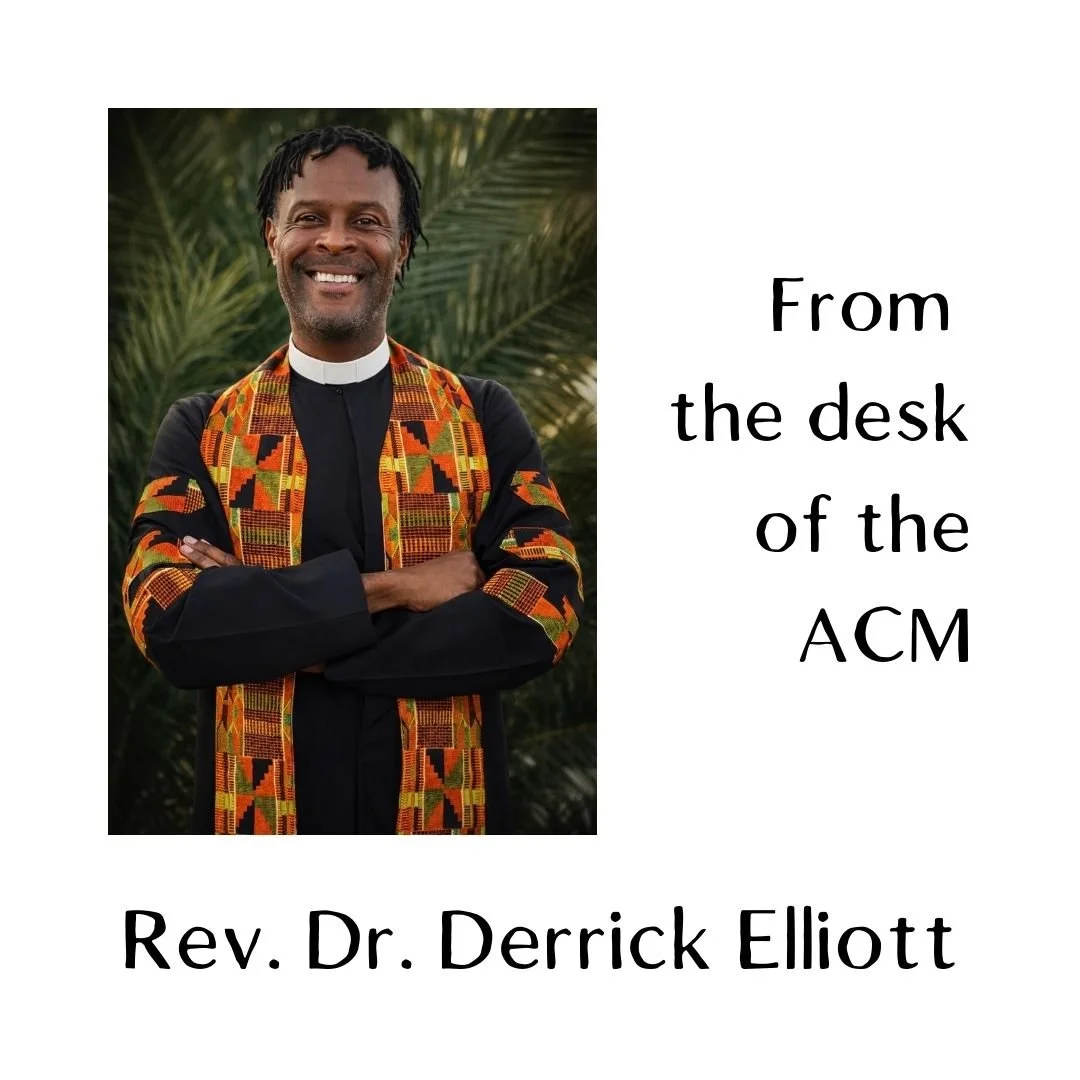
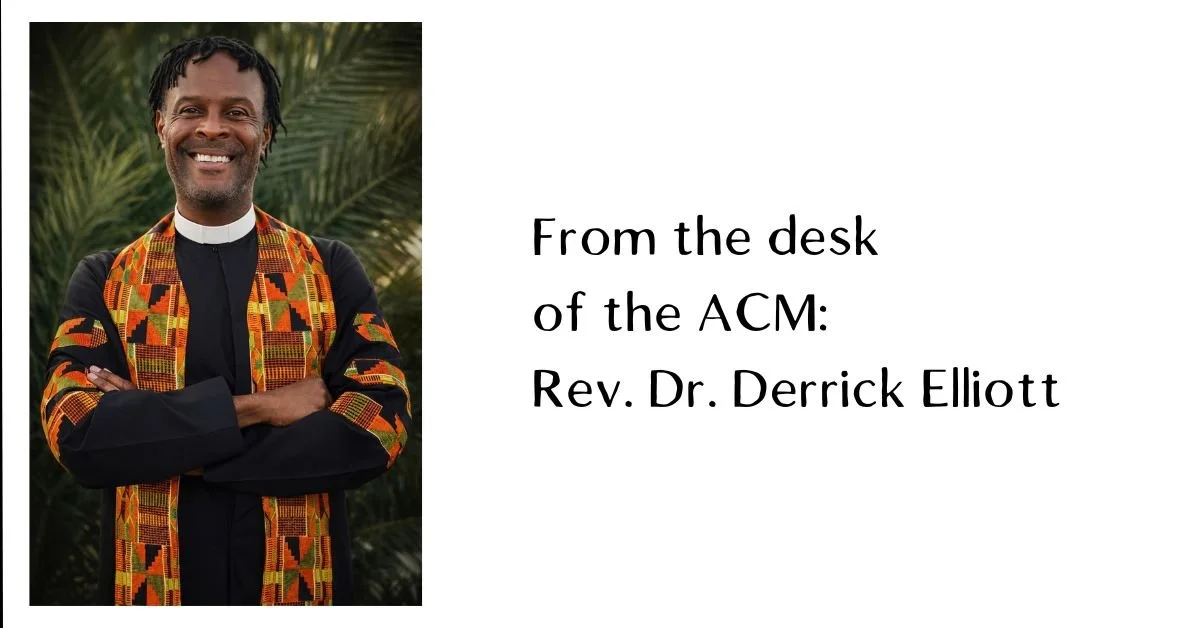
Read MoreFrom the desk of the ACM, Rev. Dr. Derrick Elliott:
In our churches and Conference within the United Church of Christ, covenant agreements are more than just formalities; they are sacred bonds that define relationships among clergy, congregations, and the broader Conference.
Read More